
Why Budgeting Matters More Than You Think
Let’s be honest: for most of us, money stress isn’t just about the numbers in our bank account. It’s about the emotions behind them -anxiety when the bills arrive, guilt after swiping the credit card, or that sinking feeling when payday hits and you’re already broke.
I know that feeling all too well. Not long ago, I was drowning in debt, homeless at one point, and constantly battling destructive money habits. My relationship with money was tied to addiction and shame. I thought I’d never be able to break free.
But budgeting changed everything.
And no, I don’t mean writing down every coffee or denying myself every bit of fun. I mean a simple, compassionate and realistic approach to money that gave me control and peace of mind.
In my book, Budget Right: Eliminate Debt and Improve Your Financial and Mental Wellbeing, I share the exact steps I used to transform my finances. Today, I want to share 10 simple budgeting tips that work no matter where you’re starting – even if you’re on a low income
Ready? Let’s go.
1. Start With Awareness
Before you can change your money story, you need to know where your money is going. Most of us underestimate our spending. Those $5 “harmless” purchases? They snowball quickly.
Practical Action Step:
Track your spending for 14 days.
Use whatever works: pen and paper, an app, or my Budget Right Spreadsheet.
Don’t judge yourself. This is about awareness, not shame.
This one step alone can be life-changing – it shines a light on the “invisible spending” draining your budget.
2. Follow the 70/10/10/10 Rule
Complicated systems never worked for me. What did? My simple 70/10/10/10 rule.
Here’s how it breaks down:
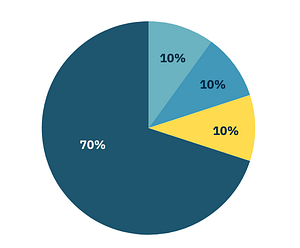
- 70% Needs & Lifestyle – bills, groceries, transport, school costs, and yes, a little fun.
- 10% Savings – for your “future you” (emergencies, goals, security).
10% Giving – to support causes, family, or community.
10% Splash Cash – guilt-free spending on whatever makes you happy.
Even when my income was low, sticking to this framework gave me structure and balance. It stopped me from feeling deprived because there was always space for fun and for generosity.
Practical Action Step:
Take your income and divide it into these four buckets.
Automate transfers if possible.
If your needs are taking up more than 70%, take a closer look at where you can trim or adjust. Small changes, like reducing subscriptions, meal planning, or shopping around for better deals, can free up cashflow and help bring your expenses back into balance.
This is budgeting without restriction – just clarity.
3. Shop Around for a Better Deal
How often do you stick with the same phone plan, energy provider or insurance policy because it feels easier? Companies bank on that loyalty, but it often costs you more.
Practical Action Step:
Call your current provider and ask if they can beat competitors.
Set a reminder to review one bill each quarter.
These little savings add up massively over time, especially if you’re working with a low-income budget.
4. Meal Plan to Cut Grocery Costs
Food is one of the biggest budget breakers – and it’s often the easiest to fix. Without a plan, you’re more likely to overspend, waste food or default to expensive takeaway. Did you know that food waste costs the economy around $36.6 billion or $2,000 to $2,500 per household per year. Read more here.
Practical Action Step:
Plan simple, affordable meals before shopping. Check out my post on Budget Friendly Meal Planning.
Buy in bulk for pantry staples.
Cook extra portions for leftovers.
Low-income budgeting doesn’t mean bland food – it means being intentional.
5. Identify Spending Triggers
Here’s the truth: most overspending isn’t about the product, it’s about the feeling. Stress, boredom, loneliness or even celebration can push us to spend.
From my journey: Gambling was my escape. For others it’s retail therapy, or scrolling and buying online at midnight. Once I identified gambling as my trigger, I could put barriers in place and replace it with healthier coping strategies.
Practical Action Step:
Use my Budget Right Spending Triggers & Fixers Template to record your triggers and put fixers in place to avoid acting on the spending triggers.
Recognise patterns – are you shopping when stressed, lonely, or tired?
Create “fixers”: if stress is your trigger, go for a walk, call a friend, or make a cup of tea instead of spending.
Understanding your triggers gives you control over your money and your emotions.
6. Build an Emergency Fund
Life throws curveballs – car breakdowns, medical bills, job changes. An emergency fund is your safety net.
You don’t need thousands to start. Begin with a goal of $500. Once you reach that, aim for 3 months of expenses.
From my story: The first time I had $500 in savings, I cried. It wasn’t about the number – it was proof I could change my money story.
Practical Action Step:
Open a separate high-interest savings account.
Automate a small weekly transfer – even $10 matters.
Treat this money as untouchable unless it’s a true emergency.
This one step builds resilience and reduces money stress.
7. Cut Out “Silent Budget Killers”
We all have them: subscriptions we forgot about, memberships we never use and “free trials” that quietly roll into paid plans.
Practical Action Step:
Check your bank statements for the last 3 months.
Cancel or downgrade anything you don’t need.
Ask yourself: “Does this add real value to my life?”
These silent budget killers can free up money instantly – money that could go toward debt, savings, or fun.
8. Pay Off Debt Strategically
Debt is like a weight holding you back. The interest piles up, making it harder to get ahead.
In Budget Right, I share the method I used:
Take any “extra” money from your 70% bucket.
Use it to pay off one debt first.
Once that debt is gone, roll that repayment into the next one.
This creates a “snowball effect” where your repayments grow stronger over time.
From my story: Using this strategy, I eliminated thousands of dollars in debt that once felt impossible to conquer.
Practical Action Step:
- List your debts, smallest to largest.
Focus on one at a time.
Celebrate each debt paid off – it builds momentum.
9. Automate Your Money
One of the simplest budgeting tips? Remove the temptation.
Set up automatic transfers for bills, savings, and debt repayments. That way, you don’t have to rely on willpower.
Practical Action Step:
Align automatic transfers with payday.
Separate accounts: bills, savings, splash cash.
Leave only spending money in your everyday account.
Automation = less stress and fewer “oops” moments.
10. Celebrate Small Wins
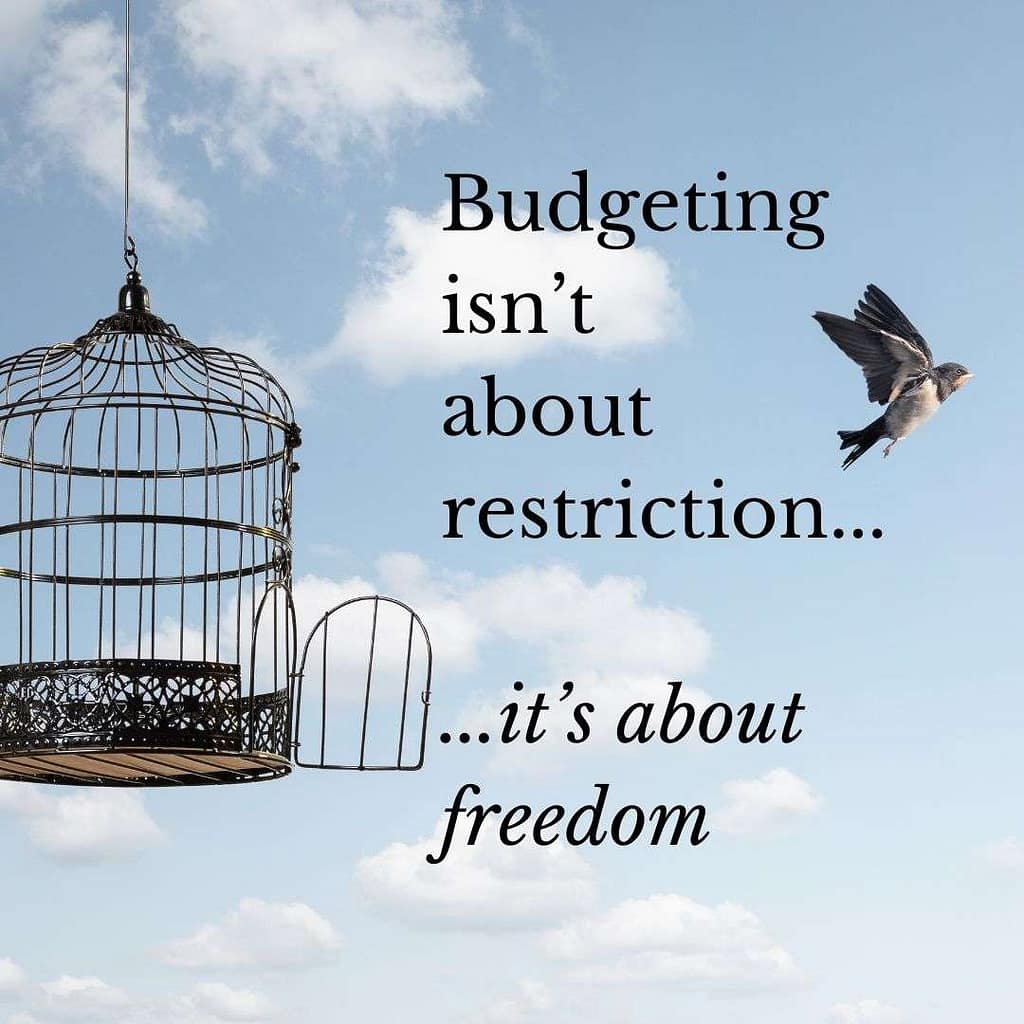
Budgeting isn’t about restriction – it’s about freedom. And it’s vital to celebrate progress along the way.
Whether you saved $50 this month, cut your grocery bill, or finally said no to a spending trigger—that’s a win worth celebrating.
Practical Action Step:
- Each month, write down one money win.
Reward yourself with something simple (a coffee with a friend, a beach walk, a library book binge).
Remind yourself: you’re building a new future, one step at a time.
You Can Do This
Budgeting isn’t about being perfect. It’s about progress, compassion for yourself, and building money habits that stick.
I went from rock bottom (homeless, in debt, trapped in addiction) to a life of financial freedom and peace. And if I can do it, you can too.

Want extra support?
- Download my Budget Right Spreadsheet (free when you purchase my book – see page 51 of my book for the code)
Check out my book Budget Right: Eliminate Debt and Improve Your Financial and Mental Wellbeing
Your financial wellbeing journey starts with one small step. Take it today – you’ve got this.