
If you’ve ever reached the end of the week (or the end of the day) wondering “Where did my money actually go?” – you’re not alone. Most people aren’t struggling because they’re “bad with money”… they’re struggling because nobody ever taught them how to manage their cashflow simply.
The good news is that cashflow doesn’t need to be complicated, stressful or overwhelming. When you understand how your money moves in and out, you can finally breathe, plan ahead and stop living in financial survival mode.
Today, I’m keeping it practical, doable and totally judgment-free – because you deserve a system that works with your life, not against it.
Why Cashflow Matters
With the cost of living at an all-time high, cashflow management is one of the most powerful tools you can use to lighten the pressure. It helps you:
- Stay on top of bills without panic
- Stop the pay-to-pay cycle
- Build breathing room in your budget
- Reduce financial stress and decision fatigue
- Create a clear path out of debt
If you’ve been feeling overwhelmed, stuck, or like you’re constantly “catching up,” improving your cashflow is often the first step to getting back in control.
Start With Your Real Numbers
Before you fix anything, you need clarity. And clarity starts with knowing your real income and your real expenses – not the “I think it’s about this much” version.
If you haven’t already, download your free Budget Right Self-Care Toolkit by joining the Budget Right Bulletin – it includes trackers, prompts and worksheets to get you started.
Try this simple first step:
- Open your online banking
- Look at the last 30 days
- Write down what actually came in and what went out
This is where the lightbulb moments happen. And remember: awareness is power, not punishment.

Use a Simple Cashflow Method That Works (Like 70/10/10/10)
If you’ve read my book Budget Right, you already know how much I love keeping things SIMPLE.
My signature 70/10/10/10 Method gives every dollar a job – without the complicated spreadsheets, colour coding or guilt.
It looks like this:
- 70% to living expenses (rent, food, fuel, bills)
- 10% to savings
- 10% to giving (charity, helping others, small acts of kindness)
- 10% to “Splash Cash” – your guilt-free spending
The magic is in the balance. You’re covering your responsibilities and nurturing your wellbeing at the same time.
For a deeper breakdown, check out the full explanation on my website: 70/10/10/10 Budget Method.
Or try the Budget Right Spreadsheet to automate the sums for you.
Separate Your Money Into Multiple Accounts
Think of your accounts like little money buckets with clear purposes. This removes temptation, reduces stress and gives you instant clarity.
Here’s a simple structure:
- Bills Account: All regular expenses
- Everyday Account: Groceries, petrol, day-to-day spending
- Savings Account: Emergency fund + goals
- Splash Cash Account: For weekly pocket money
Build Your Emergency Buffer (Start Small, Aim Big)
An emergency fund isn’t about expecting disaster – it’s about reducing future stress. Start with $500, then aim for $1,000, then slowly build to 3 months of expenses.
Why this matters:
- It breaks the cycle of relying on credit
- It cushions sudden bills
- It gives you confidence and breathing room
Even $10 a week makes a difference when it’s automatic.
Plan for Your Pay Cycle (Weekly, Fortnightly or Monthly)
Cashflow works best when your system matches how you’re paid. Try these steps:
- Write out your fixed bills and when they’re due
- Align payments to your pay cycle
- If needed, switch bills to weekly or fortnightly instalments
- Use automation wherever possible
This alone can reduce the “bill shock” that so many people experience.
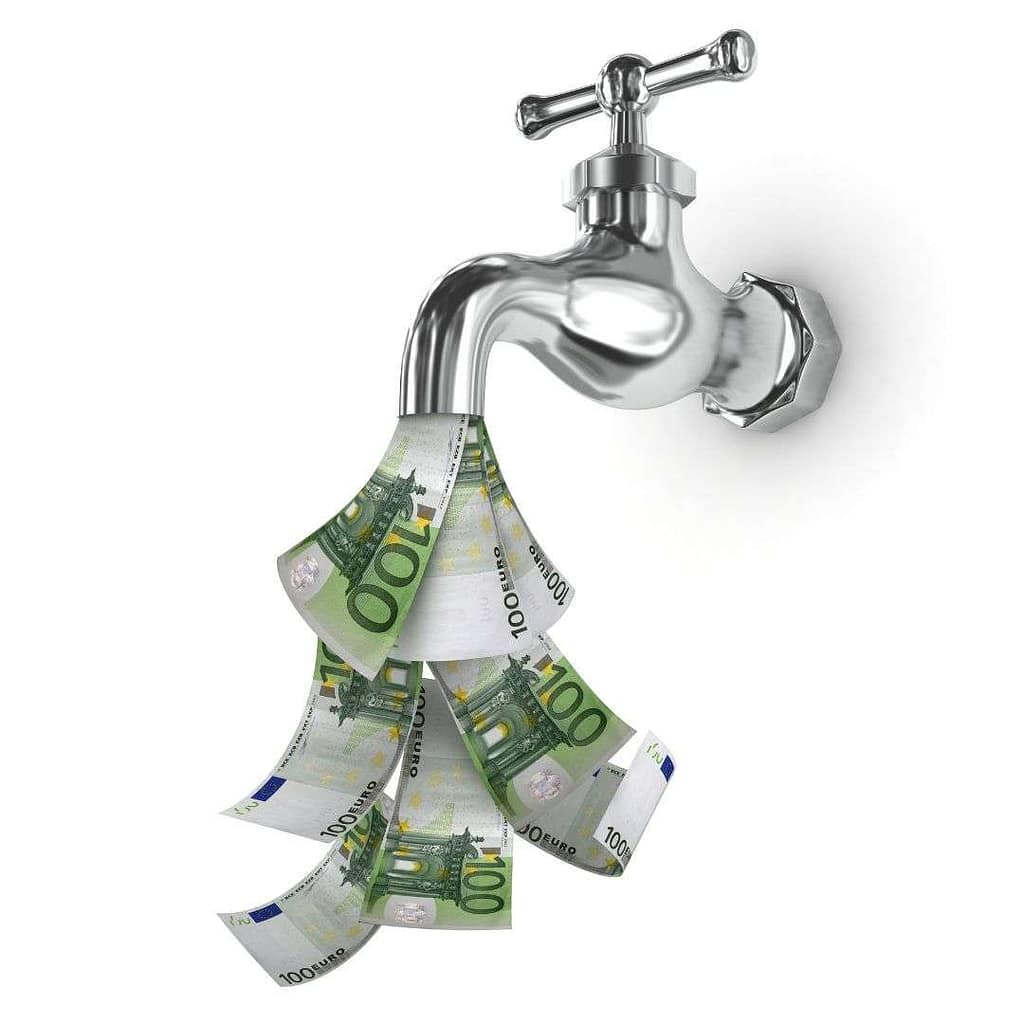
Spot Your Money Leaks – Then Patch Them Gently
You don’t need to cut everything. But you do need to know where your dollars are sneaking away.
Common “money leaks” include:
- Food delivery apps
- Streaming services you rarely use
- Impulse “just popping in” purchases
- Tap-and-go spending
Instead of cutting everything at once, try this gentle approach:
- Pick ONE category to improve this fortnight
- Make a small intentional change
- Celebrate your win, even if it’s $10
Small shifts create long-term results.
Build Better Daily Money Habits
Cashflow doesn’t improve from one big change – it improves from consistent, simple habits.
Try these:
- Check your account once a day for 20 seconds
- Set a “spend timer” — wait 24 hours before buying non-essentials
- Meal plan once a week
- Review your budget every fortnight
- Set bill reminders in your phone or calendar
You don’t need to be perfect – just consistent.
When Cashflow Feels Overwhelming, Get Support
You don’t have to figure it all out alone.
If you’re feeling stressed, stuck or unsure how to fix your money situation, my Budget Coaching Sessions give you personalised help, tools and encouragement – without guilt or shame.
We’ll look at:
- Your cashflow
- Your spending patterns
- Your short- and long-term goals
- A simple action plan you can start the same day
You deserve peace, clarity and confidence with your money.
You’re Closer Than You Think
Cashflow management isn’t about restriction – it’s about direction. It’s the difference between letting money control you and taking the lead again.
Every small change you make is a step toward stability, confidence and financial wellbeing.
If you want more tips, tools and encouragement, follow me on Instagram & Facebook, and join the Budget Right Bulletin to receive monthly money management tips, practical tools and encouragement, plus your free Self-Care Toolkit.
You’re doing better than you think.
One simple step at a time – you’re rewriting your money story.