
Money reset • budgeting basics • gentle financial reset
By Carrie-Ann McLean | Author | Speaker | Budgeting Coach | Money Mindset Educator
A Calm Way to Start Managing Money Better This Month
For many Australians, March is when financial reality settles in.
Christmas debt feels real.
Bills are steady again.
And the cost of living still isn’t easing.
As a result, motivation can dip – especially if January and February felt reactive rather than planned.
If you’ve been wondering how to manage money better this year, March is actually the ideal time to reset. Not with pressure. Not with strict rules. Instead, with calm, steady adjustments that rebuild confidence.
Why It Feels Hard to Manage Money Better Right Now
Even people who have always been “good with money” are feeling stretched.
Groceries remain high. Insurance premiums continue to rise. Interest rate pressure still affects many households. Meanwhile, wages haven’t increased at the same pace.
Because of this, many people feel like they’re constantly playing catch-up.
When money feels tight, the brain often shifts into stress mode. You might avoid checking balances. You may delay opening emails. Or perhaps you tell yourself you’ll deal with it next week.
However, learning how to manage money better doesn’t require a complete overhaul. It starts with awareness and small, consistent habits.
How to Manage Money Better Without Cutting Everything Out
Many people assume that managing money better means removing all enjoyment.
No takeaway.
No small treats.
No flexibility.
But in reality, control comes from clarity, not restriction.
When you understand:
where your money is going
what bills are coming up
what matters most
and where small adjustments can help
…you naturally begin to manage money better without feeling deprived.
Therefore, instead of cutting everything, focus on visibility first.

A Calm Way to Start Managing Money Better This Month
Rather than trying to overhaul everything at once, think of March as a gentle reset month. If you’ve been wondering how to manage money better, this is the perfect time to begin with calm, steady steps.
You don’t need a strict plan or a financial overhaul. Instead, learning how to manage money better starts with awareness, consistency and small adjustments that build confidence over time.
Step 1: Look Without Judgement
The first step in how to manage money better is simply to look at what’s happening. Open your banking app, check your balances and review the past week of spending. You’re not criticising yourself, you’re gathering information.
When you avoid looking, stress grows. However, when you calmly review your numbers, you begin to feel more in control.
Awareness is one of the most powerful ways to manage money better because it replaces uncertainty with clarity.
Step 2: Choose One Area to Improve
Next, choose just one area to focus on. Trying to change everything at once often creates overwhelm, so narrowing your focus helps you manage money better without burnout.
- Groceries
- Subscriptions
- Takeaway spending
- Debt repayments
- Bills
- Savings
Even one small adjustment can create breathing room. Over time, those small changes make it easier to manage money better and feel more confident with your decisions.
Step 3: Create a 10-Minute Weekly Check-In
Consistency is far more effective than intensity when you’re learning how to manage money better. Set aside just ten minutes each week to stay connected to your finances.
Check your bank balances
Look at upcoming bills
Review last week’s spending
Move a small amount to savings (even $5)
Adjust for the week ahead
As a result, you stay proactive instead of reactive. This simple habit helps you manage money better because you’re making small changes regularly rather than waiting for stress to build.
Step 4: Use a Simple Structure
When money feels scattered, structure helps you manage money better. Dividing your money into clear categories creates direction.
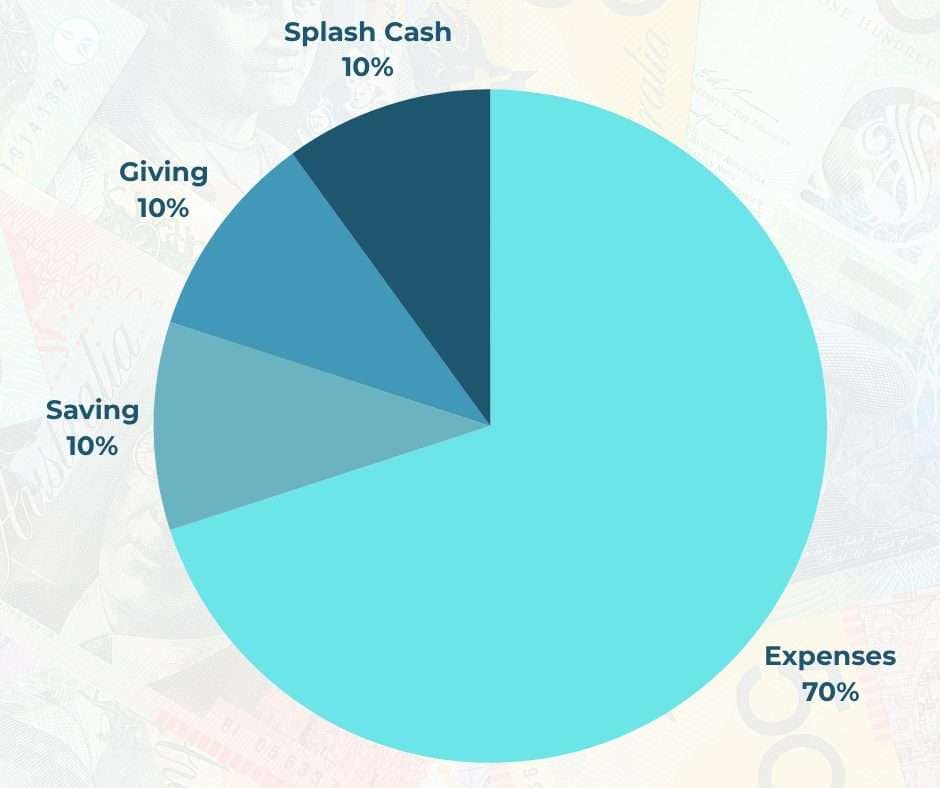
- Essentials
- Future You (savings/debt)
- Giving
- Spending money
The exact percentages don’t need to be perfect. What matters is knowing where your money is meant to go.
Having a structure makes everyday decisions easier and supports your goal of managing money better in a realistic, sustainable way.
Step 5: Support Your Mindset
Learning how to manage money better isn’t just about numbers. It’s also about how you speak to yourself along the way. Remind yourself that this is a process and you don’t need to get everything right straight away. Instead, focus on small, steady progress and the confidence that builds with each step.
Each time you check in with your money, you strengthen your ability to manage money better. Every small adjustment, whether it’s reviewing a bill, planning ahead or making a mindful spending choice, helps rebuild trust in yourself. Over time, those consistent actions ease overwhelm and create a greater sense of calm and organisation.
Managing money better doesn’t come from perfection. It grows from staying connected to your finances, making thoughtful decisions and allowing small improvements to build momentum. When your mindset feels supported, the practical steps become much easier to follow.
You can download my free Budget Right Self-Care Toolkit.
Cost-of-Living Support & Money-Saving Tools
For many households, money feels tighter than usual, and thankfully, there are practical tools that can help.
Practical Savings & Comparison Tools
Groceries
Save on Groceries – A helpful site that shares current supermarket specials and ways to reduce grocery costs by planning around what’s on sale.
Try searching: “charity grocery stores near me”. Many areas have low-cost community supermarkets, food co-ops, or pantry programs that offer discounted groceries. These services are there to support people. No judgement, just practical help.
Even switching where you shop for a few items can make a noticeable difference each week.
Utilities & bill comparisons
Compare energy, phone and insurance plans through trusted Australian comparison sites such as:
- Finder: https://www.finder.com.au
- Compare the Market: https://www.comparethemarket.com.au
- Canstar: https://www.canstar.com.au
Using comparison sites regularly can help you find cheaper plans and avoid overpaying for services.
Support for When Finances Feel Heavy
National Debt Helpline (Australia)
Phone: 1800 007 007
Free, confidential support from financial counsellors.
For International Readers
If you’re reading from outside Australia, you may find similar support in your area.
Try searching:
- “discount grocery stores near me”
- “community food pantry near me”
- “energy comparison site [your country]”
You can also use global cost-of-living tools like Numbero. Compare everyday expenses like groceries, rent and utilities across cities worldwide.
These can help you compare everyday costs and identify areas where you might save.
General money-saving guidance
No matter where you live, the most effective steps tend to be:
- tracking spending
- reviewing subscriptions
- comparing utilities
- planning groceries
- making small weekly adjustments
Even one small improvement can create breathing room.
Gentle Encouragement as You Learn How to Manage Money Better
When your budget feels under pressure, give yourself a moment to breathe.
Many people are navigating the same pressures. That doesn’t mean you’ve failed. It simply means managing money requires more attention during times like these.
The good news is that you don’t need perfection. You only need progress.
Each time you check your balance, review spending, or adjust your plan, you are strengthening your ability to manage money better. Over time, those steady steps rebuild confidence and reduce overwhelm.
Importantly, you are allowed to start from exactly where you are.

If You’d Like a Little Extra Support
If you’d like personal guidance on how to manage money better in a way that feels realistic for your life, I offer a limited number of one-on-one budget coaching sessions each month.
These sessions are calm, practical and tailored to you.
About the Author
Carrie-Ann McLean is the founder of Budget Right and author of Budget Right: Eliminate Debt and Improve Your Financial and Mental Wellbeing. After rebuilding her life from financial hardship, addiction and homelessness, she now helps everyday Australians develop healthier money habits with compassion and practical tools.
Gentle Disclaimer
This blog provides general budgeting and wellbeing information only and does not constitute financial advice. Please consider your personal situation and seek professional advice where needed.
Keep the Momentum Going
Read next: Cashflow Made Simple: Keep More of Your Money Each Month
Explore: Financial Wellbeing Community Workshops
Download: Budget Right Self-Care Toolkit