
When you talk to your partner about money, you’re not just dealing with dollars – you’re unpacking emotions, values, and expectations. These conversations matter because money is one of the most common sources of conflict in relationships. When you talk to your partner about money, it helps you build trust, reduce tension and create shared goals.
Let’s be real – talking about money with your partner can feel more stressful than talking about politics at a family BBQ. But if you’re building a life together, you have to talk about finances. And the good news is that it doesn’t have to turn into an argument.
Money talks don’t have to be full of tension, silent treatments, or “you always…” accusations. With the right mindset and tools, these conversations can actually bring you closer. Yes, really.
Let’s break down how to talk to your partner about money – without the drama.
Why Money Conversations Turn Into Fights
Money is personal. It’s tied to our values, fears and even our childhood experiences. One of you might be a saver, the other a spender. One might have debt shame, the other might avoid money talk altogether.
Here’s the truth: fights about money are usually about feelings, not figures.
That’s why it’s so important to approach the convo with compassion, curiosity, and zero judgment. If you or your partner grew up in a home where money was a source of stress, or never talked about at all – you’re not alone. I’ve been there, and I’ve learned how healing open money talk can be.
6 Ways to Talk About Money Without Fighting
Let’s explore six supportive, practical ways to talk to your partner about money that won’t lead to arguments or awkward silences.
1. Pick the Right Time (Hint: Not During a Fight)
To talk to your partner about money effectively, timing is everything. Avoid starting the conversation in the middle of an argument or when either of you is tired or distracted. Instead, suggest a relaxed, neutral time – maybe over coffee or during a quiet evening. This allows you both to focus and approach the conversation without defensiveness.
Try saying:
“I’d love us to feel more confident and in control of our money. Can we set aside some time to chat about our goals and make a plan?”
This simple, respectful approach sets the tone and shows you’re coming from a place of care – not criticism.
2. Start with Shared Goals, Not Blame
Instead of pointing fingers, focus on what you want to build together. Shared goals create a sense of unity and purpose – whether it’s buying a home, becoming debt-free, planning a holiday or simply reducing stress.
Use “we” instead of “you.”
Instead of:
“You’re always spending too much!”
Say:
“I’d love us to have more left over each month. What could we do differently together?”
Shared goals turn money talks into joint problem-solving, not personal attacks.
3. Be Transparent With Your Finances
When you talk to your partner about money, honesty is key. Lay everything on the table – what you earn, what you owe, and what you spend. This creates financial transparency and eliminates guesswork or assumptions.
Avoid the secrecy trap. If either of you is hiding spending, credit card debt, or “forgotten” Afterpay payments, it will only build resentment.
Create a safe space where both of you can lay it all out – your income, expenses, debts, and financial worries – without fear of shame or judgment. If it feels overwhelming, use tools like the Budget Right Spreadsheet to help structure the discussion and keep it factual.
Honesty is hard, but it’s the foundation of financial trust. You can’t fix what you’re not willing to face – together.
4. Understand Each Other’s Money Mindsets
We all have a “money story” that shapes how we think and behave with money. Maybe your partner avoids budgeting because they grew up with scarcity. Maybe you’re strict with spending because you fear falling back into debt.
Understanding your own and each other’s beliefs around money is powerful. Instead of saying “Why can’t you just stick to the budget?” try asking:
“What does financial security look like to you?”
“When you think about money, what comes up emotionally?”
You don’t need to agree on everything – but you do need to understand each other. My book, Budget Right, dives into this topic deeply, helping you identify your money triggers, patterns, and beliefs so you can move forward without judgment.
And if old money wounds are running deep, financial therapy or money mindset coaching can be a safe, supportive way to unpack the emotional side of finances – especially if you’ve experienced trauma, addiction, or financial abuse.
5. Set a Budget Together (That Includes Fun!)
Here’s a budgeting truth most people don’t tell you: if it feels too strict or joyless, it won’t work long-term.
That’s why I created the 70/10/10/10 method, which gives your money purpose – without guilt or deprivation. It’s simple, practical, and flexible enough to work at any income level. Best of all, it lets both of you feel seen and heard in the budgeting process.
Here’s how it works:
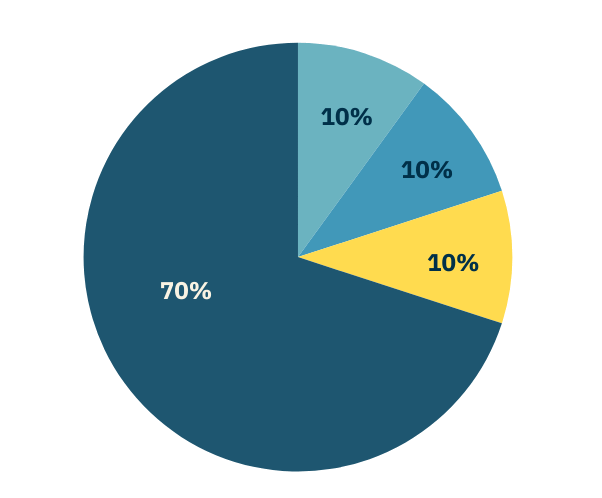
70% – Living Expenses
This is your “must-pay” money. It includes:
Rent or mortgage
Utilities (electricity, water, internet, phone)
Groceries
Transport (fuel, public transport, car insurance)
Insurance and medical costs
Minimum debt repayments (like personal loans or credit cards)
If your living expenses are more than 70%, that’s okay – it’s a starting point. The goal is to eventually bring this down so you’re not stuck in survival mode. Start by tracking everything with the Budget Right Spreadsheet to see where small shifts could be made. Even trimming $20 a week on subscriptions or takeout can make a difference.
10% – Savings
This is your “safety net” and your future. Your 10% savings could go towards:
Emergency fund
A holiday or event you’re looking forward to
A home deposit
Start small if you have to – even $10 a week counts. What matters is building the habit of saving. Watching this fund grow together can create a huge sense of security and shared accomplishment.
Pro tip: Set up a separate savings account with no card access to reduce temptation. Out of sight, out of spend!
10% – Fun Money (a.k.a. “Splash Cash”)
Yes, budgeting should include joy! This is your guilt-free spending money and it’s essential for avoiding resentment or burnout.
You can split this equally or choose separate “me” accounts. Spend it on:
Takeout or dining out
Date nights
Hobbies or subscriptions
Clothing, coffee, or small indulgences
Giving yourselves permission to enjoy money removes the shame spiral. It creates healthy boundaries so fun doesn’t come at the expense of your goals, and you won’t need to sneak purchases behind each other’s backs.
10% – Giving or Extra Debt Payments
This final 10% is about building momentum and meaning. You can choose what fits your values and financial goals:
Donate to a cause you care about
Help a friend or family member in need
In my own journey, choosing to give helped heal my mindset around money. It reminded me that I had value to offer, even when I felt broke. And every extra dollar toward debt? That’s future freedom.
Together, this system helps reduce friction in relationships by making every dollar intentional.
You each have your needs met. You’re saving, planning, living and still having fun. And when you build the budget as a team, you build trust, not tension.
6. Make Money Check-Ins a Habit, Not a Crisis
Don’t wait until a bill bounces or a surprise expense pops up to talk about money. When couples only discuss finances during stressful moments, it often leads to blame, anxiety or avoidance. Instead, build money conversations into your normal routine – no drama required.
Schedule regular check-ins – weekly, fortnightly, or monthly where you calmly go over your budget, goals, and any upcoming expenses. You don’t need to make it formal or boring. In fact, I recommend turning it into a date night.

That’s where my Date Night Budget Planner comes in. It’s a soft, beautifully designed printable PDF that makes money conversations feel less like a chore and more like a connection ritual. It helps you:
Reflect on recent spending as a team (no blame!)
Celebrate small wins and progress toward your goals
Plan for upcoming costs like birthdays, school holidays, or bills
Revisit your financial goals, dreams, and values
Make decisions together—from savings priorities to fun money
You can grab your favourite drinks, light a candle and spend 30 minutes checking in – not just on your money, but on each other.
Ask things like:
“What felt easy this month – and what felt hard?”
“Are we still on track for our savings goals?”
“What would help us feel more financially secure?”
“How can we make room for fun or rest next month?”
These conversations don’t have to be perfect, they just have to be regular. When money check-ins become part of your routine, they remove the pressure and bring in peace.
Over time, this habit creates not just financial stability but emotional safety too.
Keep the Conversation Going With Regular Check-Ins
Once you talk to your partner about money, don’t stop there. Make it a regular habit. Weekly or monthly check-ins build financial confidence and reduce surprises. Using tools like my Date Night Budget Planner helps keep these chats low-pressure and even fun.
You’re not supposed to have all the answers. You’re not bad with money – you just haven’t had the right tools or support. The fact that you’re even reading this means you care, and that’s the first step.
Your money journey as a couple doesn’t need to be perfect. It just needs to be honest, intentional, and team-based. What matters is that you’re trying, together.
Have you and your partner started the money conversation? What worked and what didn’t? Drop a comment or message me, I’d love to hear your story.
Carrie-Ann McLean
Author | Speaker | Budgeting Coach | Money Mindset Educator
Helping everyday Australians break free from debt and build better money habits – without guilt, shame or overwhelm.
Follow me on Facebook & Instagram @budgetrightbook
Explore tools & support: www.budgetright.com.au