
Spending triggers can sneak up on you and wreak havoc on your budget. These emotional or situational nudges often lead to impulsive purchases, leaving you wondering, Why did I buy that?
Recognising your spending triggers is the first step toward taking back control of your wallet. Let’s dive into what they are, how they affect you, and how to overcome them.
What Are Spending Triggers?
Spending triggers are emotional, social, or environmental cues that push you to spend money impulsively. They can stem from feelings like stress or boredom, pressure from friends, or even the way stores are designed. While these triggers are common, understanding them can help you make more intentional spending choices.
Common Spending Triggers
Emotional Spending: How Feelings Affect Your Wallet
Feelings are tricky little things, aren’t they? Stress, boredom, or sadness often lead us down the path of impulsive purchases. When you’re stressed or anxious, shopping might feel like a quick fix. Clicking that “add to cart” button can provide a fleeting sense of relief, but regret often follows. Similarly, boredom can make online shopping a tempting distraction. With so many apps and websites just a tap away, it’s easy to fill the void with unnecessary purchases. Sadness or loneliness can also lead to retail therapy, where spending money becomes a way to seek comfort. Unfortunately, while these purchases might offer temporary joy, they often leave a financial mess in their wake.
Social Influence: Friends, Ads and Social Media
Sometimes, it’s not our emotions but the world around us that pushes us to spend. Peer pressure can be a significant factor, especially when friends or colleagues seem to have endless disposable income. Whether it’s dining out, holidays, or the latest gadgets, trying to keep up can quickly drain your wallet. Social media amplifies this pressure. Scrolling through perfectly curated posts from influencers or friends can spark a desire for things you didn’t even know you wanted. Ads and influencer recommendations are designed to tempt you, making it even harder to resist.
Environmental Cues: The Shopping Trap
Retailers are experts at creating environments that encourage spending. Sales and discounts are a classic example. Who hasn’t been tempted by a “Buy One, Get One Free” deal or a “Limited Time Offer”? These tactics create a sense of urgency, convincing us to buy things we don’t need. Even store layouts are designed to make us spend more. From strategically placed impulse-buy items to soothing music and lighting, every detail is crafted to keep you shopping.
How to Overcome Spending Triggers
Practice Mindful Spending
The next time you’re about to make a purchase, pause and ask yourself a few questions. Do you really need this item? Does it align with your financial goals? Taking a moment to reflect can help you avoid impulse buys. Another helpful tip is to track your spending. By identifying patterns, you can anticipate and avoid situations that trigger unnecessary purchases. Check out our tips for mindful spending to learn more.
Create a Flexible Budget
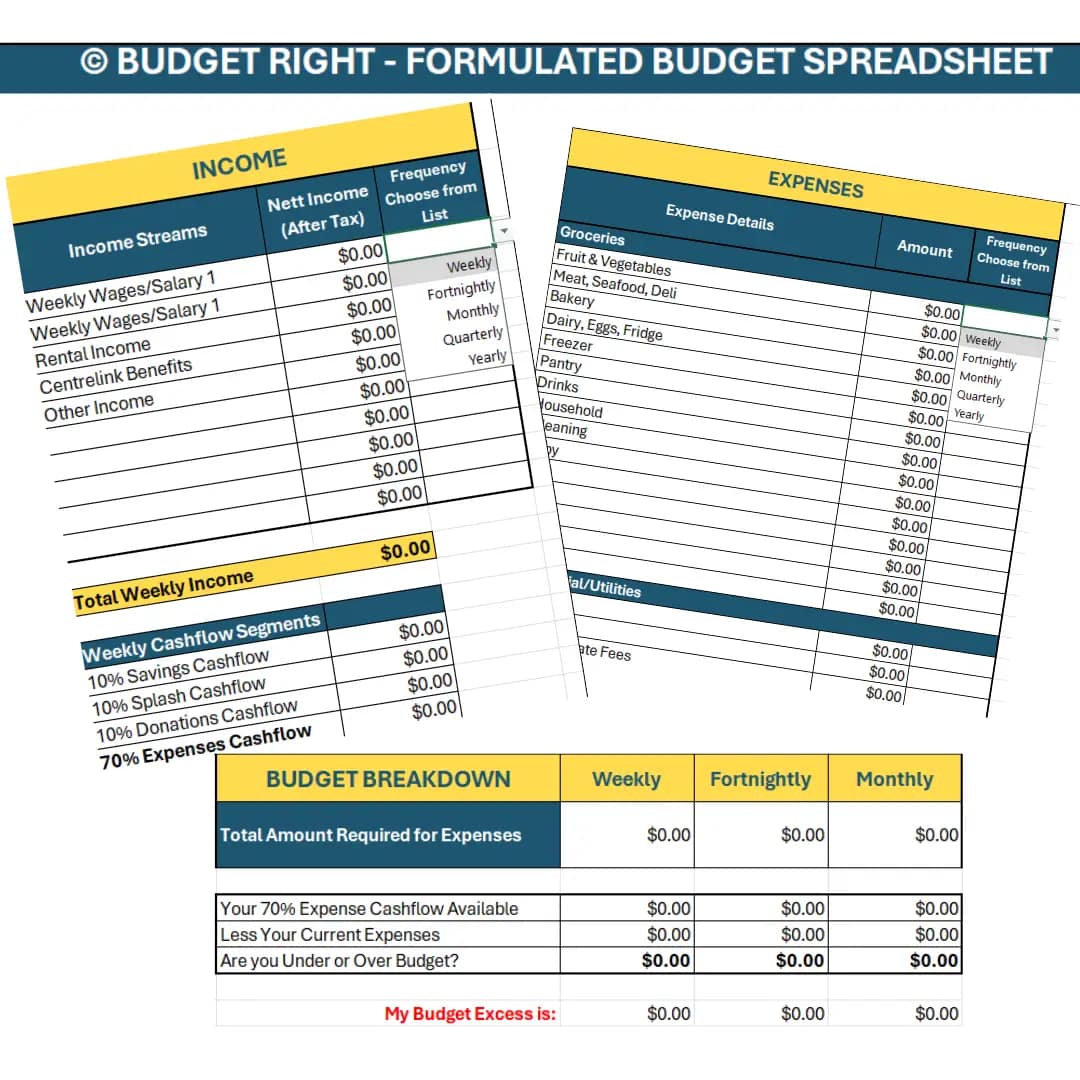
Budgets don’t have to feel restrictive. In fact, a good budget should include some wiggle room for fun. Set aside a small “fun fund” each month to treat yourself without guilt. At the same time, prioritise your spending by distinguishing between needs and wants. Groceries and bills come first, but if there’s room left over, enjoy a little splurge. Download our free Budget Right spreadsheet to get started.
Find Alternatives to Emotional Spending
Instead of turning to shopping to cope with emotions or boredom, explore healthier options. Physical activities like walking or exercising can help relieve stress. Picking up a hobby or spending time with loved ones can also fill your time and boost your mood. To minimise temptation, unsubscribe from promotional emails, delete shopping apps, and set boundaries on your social media use.
Seek Support and Build Accountability
Sometimes, a little encouragement from others can make all the difference. Share your financial goals with trusted friends or family members – you might be surprised by how supportive they are. Knowing you’re not alone in your journey can be incredibly empowering.
Conclusion
Spending triggers happen to the best of us, but they don’t have to run the show. By recognising your triggers and making small changes, you can regain control and stay on track with your financial goals. Every step, no matter how small, brings you closer to financial freedom.
Ready to kick those spending habits? Start today, and don’t forget – your future self will thank you.
Want more tips? Grab a copy of Budget Right: Eliminate Debt and Improve Your Financial and Mental Wellbeing and take charge of your money like a boss!