
Debt can feel like a never-ending cycle, constantly weighing you down no matter how hard you try to get ahead. You work, you pay bills, and yet, your money seems to disappear before you even have a chance to enjoy it. It’s frustrating, exhausting, and, at times, downright overwhelming. But here’s the truth: debt doesn’t just happen overnight. More often than not, it creeps in because of everyday spending habits that seem harmless in the moment but add up over time. The good news? Once you identify these sneaky habits, you can start making simple yet powerful changes that will set you on the path to financial freedom.
You don’t need to earn more money to start getting ahead – you just need to be smarter with the money you already have. The key is recognising the patterns that are keeping you stuck, adjusting your mindset around spending, and putting better financial habits in place. It won’t happen overnight, but with small, consistent steps, you can break the cycle and take back control of your finances.
Let’s dive into the top five spending habits that keep you in debt, and, most importantly, how to fix them so you can start building the financial future you deserve! and, most importantly, how to fix them so you can start building the financial future you deserve!

1. Impulse Buying (AKA “I Deserve This!”)
Ever walked into a store for “just one thing” and walked out with a shopping bag full of things you didn’t plan on buying? Yep, we’ve all been there. Impulse shopping is a major budget killer, whether it’s a sneaky $10 purchase or a $200 splurge because “I had a rough week!”
How to Break It:
Use the 24-hour rule – If you see something you think you need, wait 24 hours before buying. Odds are, you’ll realise you don’t need it after all.
Shop with a list and stick to it! If it’s not on your list, it doesn’t go in your cart.
Unsubscribe from marketing emails – Those “exclusive deals” aren’t really for you – they’re for the store’s bottom line!
Avoid shopping when emotional – Stress, boredom and sadness often lead to impulse spending. Find another way to cope, like a walk, grab your journal and write, or call a friend.
💡 Pro Tip: Keep track of your impulse purchases for a month, you might be shocked at how much you’re spending on “little things.” Use my free Spending Tracker.
2. Depending on Borrowed Money to Get By
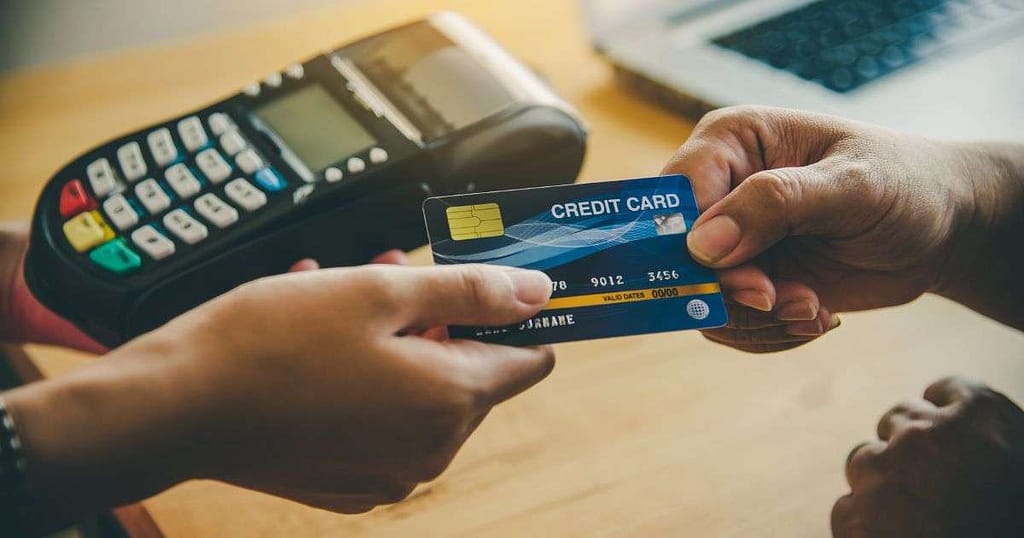
If you constantly find yourself borrowing money—whether from a credit card, a Buy Now Pay Later service, or even family and friends—you’re putting yourself in a dangerous financial cycle. Borrowing to cover everyday expenses means you’re spending money you don’t actually have, and that leads to even more debt down the line.
How to Break It:
Reduce unnecessary spending. Take a hard look at your expenses and cut back on non-essentials like takeout, subscriptions, or impulse purchases.
Build an emergency fund. Even setting aside $10 a week can help prevent the need to borrow for emergencies.
Use a ‘cash-only’ approach. Withdraw cash for the week and commit to only spending what’s in your wallet.
Prioritise essentials over wants. Make sure your money is covering necessities first before spending on anything extra.
💡 Pro Tip: If you’re using borrowed money to make ends meet, it’s time to reassess where your money is going and find ways to live within your means.

3. Ignoring Small, Recurring Expenses
“It’s just $9.99 a month.” Sound familiar? Small, recurring expenses, like streaming services, subscriptions, and daily coffees don’t seem like a big deal until you realise they’re draining hundreds (or even thousands!) from your budget every year. If you spend just $27.40 per day on non-essentials, that adds up to $10,000 a year – money that could be going toward paying off debt, saving, or even a much-needed holiday!
How to Break It:
Audit your subscriptions. Go through your bank statements and cancel anything you don’t actively use.
Limit takeout and coffee runs. Try making your coffee at home or prepping meals to cut back on food spending.
Set a “fun spending” limit. Instead of mindlessly spending, give yourself a set budget for treats and entertainment.
💡 Pro Tip: Check your bank statements right now, you might be paying for things you don’t even remember signing up for!

4. Shopping Without a Budget
If you’re spending money without tracking where it’s going, you’re basically driving blind. A budget isn’t about restriction – it’s about giving your money a job so it works for you instead of disappearing into the abyss of random purchases.
How to Break It:
Follow the 70/10/10/10 Rule (from Budget Right):
70% for expenses – Rent, bills, groceries, and everyday costs.
10% for savings – Build your emergency fund and secure your future.
10% for giving – Support causes you care about or help those in need.
10% for splash cash – Guilt-free money for fun spending!
Use a budgeting tool. Whether it’s an app, a spreadsheet, or a simple notebook, track every dollar.
Review your budget monthly. Life changes – so should your budget!
💡 Pro Tip: Give yourself a “money date” once a month to check in on your spending and adjust your budget as needed.

5. Lifestyle Creep
Got a pay raise? Awesome! But if your spending increases right along with your income, you’re not actually getting ahead. Lifestyle creep keeps you in debt because instead of using extra income to save or pay off debt, you’re upgrading your car, renting a bigger place or buying more stuff.
How to Break It:
Live like you didn’t get a raise. Instead of upgrading everything, keep your expenses steady and use the extra money to hit your financial goals.
Automate savings and debt payments. Set up automatic transfers so you don’t even see the extra cash before it goes to good use.
Set financial milestones. Reward yourself strategically – like celebrating paying off a debt by treating yourself to a fancy dinner, not by buying a new TV.
💡 Pro Tip: Before making a big purchase, ask yourself: Is this something I truly need, or just something I want because I have extra money?
Debt isn’t just about numbers – it’s about habits. The small, everyday decisions you make with your money can either keep you stuck in debt or help you break free. Recognising and changing these spending habits is your first step toward financial freedom.
Got a habit you’ve broken that helped you save big? Share it in the comments below!
Want more budgeting tips? Subscribe to the Budget Right Bulletin for exclusive money hacks, free resources, and more!