
Imagine this: your car breaks down, the fridge suddenly stops working, or you get hit with an unexpected medical bill. Stress skyrockets, your budget crumbles, and you’re left wondering how you’ll cover it.
That’s where an emergency fund swoops in to save the day. It’s not just a “nice-to-have” – it’s the financial safety net that can stop life’s surprises from turning into full-blown money disasters.
In this blog, we’ll break down why an emergency fund matters so much, and how you can start building one even if you’re living payday to payday.
Why an Emergency Fund is Essential
An emergency fund is your financial buffer. It protects you from going into debt, using high-interest credit cards, or dipping into money set aside for bills when life throws curveballs.
Here’s why it matters:
Reduces stress and anxiety – Knowing you’ve got a backup makes unexpected bills less scary.
Stops debt spirals – Without savings, most people turn to credit cards or payday loans (and that debt can spiral fast).
Keeps your budget safe – It allows your everyday money plan to stay on track, even when surprises hit.
According to Finder research reported by Nine News in September 2025, almost two in five Australians (37%) – approximately 7.9 million people did not have enough savings to cover three months of essential living expenses.
This highlights why building an emergency fund matters. Even starting with $10 or $20 a week can help create a financial buffer for unexpected expenses.
How Much Do You Actually Need?
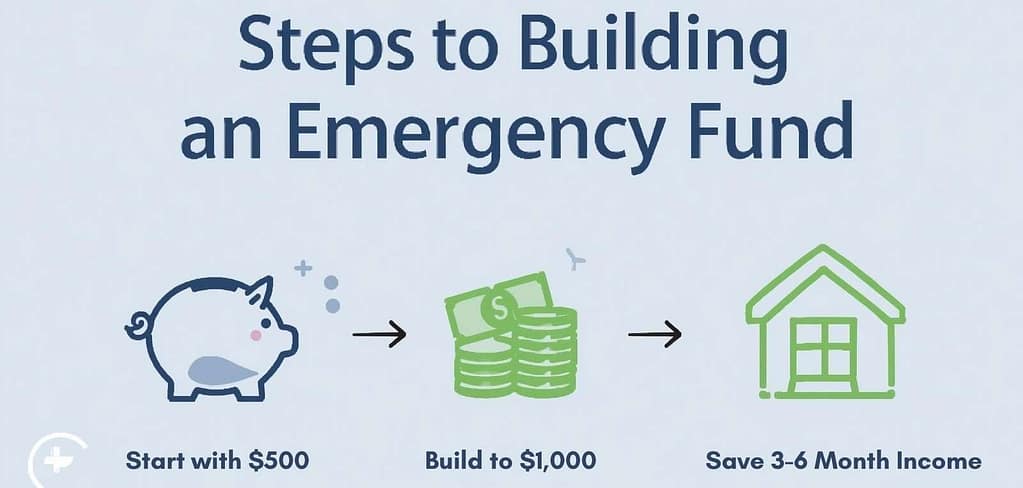
The golden standard is 3–6 months of essential living expenses. That way, if something unexpected happens and you’re unable to work, you’ll still be able to cover essentials like rent, utilities, groceries, and transport until you get back on your feet.
But let’s be real: if you’re starting from scratch, even $500–$1,000 is a powerful first milestone. It gives you breathing room while you build towards that bigger goal.
Tip: Use my Budget Right Spreadsheet to calculate exactly what your emergency fund target should be based on your expenses.
How to Build an Emergency Fund on ANY Income
You don’t need a big paycheck to create security. Here’s how to start building yours today:
1. Start Small and Stay Consistent
Commit to saving just $10 or $20 a week. Tiny amounts add up faster than you think. Automate it so you don’t have to think about it.
2. Use the 70/10/10/10 Rule
My signature 70/10/10/10 Budgeting Framework helps you divide your money:
70% for expenses
10% for savings (hello, emergency fund!)
10% for giving
10% for splash cash
That “savings” slice is where your emergency fund grows.
3. Funnel “Found Money” Into It
Tax refunds, rebates, cash gifts or side hustle income – put it straight into your emergency account instead of spending it.
4. Cut Back Temporarily
Pause non-essentials for a short time (like subscriptions or takeaway) and redirect that money into your fund. Even $50 a month can get you to $600 in a year.
5. Open a Separate Account
Keep your emergency money out of sight and separate from everyday spending. Online high-interest savings accounts are a great option – compare rates on Finder or Canstar.
What NOT to Do With Your Emergency Fund
Don’t invest it in risky shares – it needs to be safe and accessible.
Don’t use it for planned expenses like holidays or Christmas (create a separate savings account for those).
Don’t keep it in cash at home – it’s too tempting to dip into.
Building an emergency fund isn’t about being “good with money” – it’s about protecting your future self. Even starting with a few dollars a week gives you security, confidence and peace of mind.
Remember: every deposit is a step toward financial freedom.
If you’re ready to take the next step, grab your copy of Budget Right and start building your emergency fund today with tools that actually work.